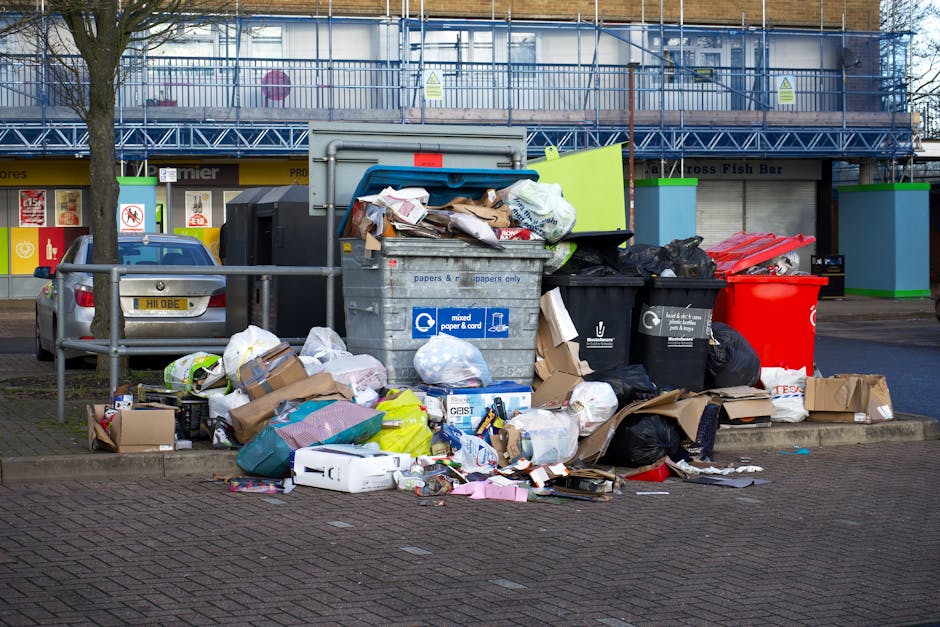
Avoid hidden rubbish removal charges in Oxford
Hidden fees can turn a simple clear-out into a frustrating bill shock. If you are arranging rubbish removal in Oxford, the difference between a fair quote and a messy one usually comes down to what was included, what was assumed, and what was left unsaid. The good news? You can spot most of the traps before anyone turns up at the kerb with a van and a vague invoice.
This guide explains how to avoid hidden rubbish removal charges in Oxford, what to look for in a quote, which extras are commonly added later, and how to compare services without getting lost in jargon. It is written for homeowners, landlords, tenants, offices, and tradespeople who want straightforward pricing and no awkward surprises at the end of the job. Honestly, that should be the norm, not the bonus.
Table of Contents
- Why it matters
- How it works
- Key benefits and practical advantages
- Who this is for and when it makes sense
- Step-by-step guidance
- Expert tips for better results
- Common mistakes to avoid
- Tools, resources and recommendations
- Law, compliance, standards, or best practice
- Options, methods, or comparison table
- Case study or real-world example
- Practical checklist
- Conclusion
- Frequently asked questions
Why it matters
Rubbish removal looks simple from the outside: a pile of waste, a collection time, a van, and then it is gone. But pricing can become complicated very quickly. Weight, access, labour, sorting, and disposal type can all affect the final cost. If these details are not discussed upfront, the quote you liked on the phone can grow legs.
In Oxford, that matters even more because many properties have tight access, permit-sensitive roads, narrow drives, shared entrances, or limited parking. A collection that seems straightforward on paper can become awkward on the day if the team cannot park close to the load. A professional company should factor that in early, not use it as an excuse to add charges later.
Hidden rubbish removal charges are not just annoying. They make it hard to compare providers fairly, and they can force you to delay a job you wanted done quickly. That is especially stressful if you are clearing a rental between tenancies, emptying a house after a move, or dealing with bulky items that have been sitting in the hallway too long. We have all seen the "I'll sort it next week" pile become a month-long resident.
Key point: a transparent quote is not only about price. It is about certainty, planning, and trust.
How it works
Good rubbish removal pricing usually follows a fairly simple process. You describe what needs collecting, the provider asks a few practical questions, and the price is based on the real job rather than a vague estimate. If done properly, the quotation stage should flush out most hidden extras before anyone arrives.
The main pricing variables often include:
- the volume of waste, usually measured by van load or cubic-yard style estimates
- the type of material, such as mixed waste, green waste, furniture, appliances, or builders' debris
- how easy it is to access the waste
- the need for heavy lifting or dismantling
- special handling for items that are restricted, fragile, or potentially hazardous
- the disposal route required by the waste type
Some companies give a broad price range first, then confirm the final amount after seeing photos or visiting the site. That can be perfectly normal. What matters is whether they explain the conditions clearly and in writing. If the quote says "subject to change" but gives no reasons, that is a red flag the size of a wardrobe.
For many jobs, the best place to start is the pricing and quotes page, because it should show whether pricing is based on load size, item type, or other practical factors. If you want to understand how the service itself is structured, the general waste removal information is also useful. It gives context before you commit to a booking.
One more thing: if a collection involves bulky furniture, awkward stairs, or items with specialist disposal needs, you should expect those details to be discussed before the appointment. That is not a hidden charge. That is honest planning.
Key benefits and practical advantages
When you avoid hidden rubbish removal charges, the benefit is obvious: you pay what you agreed, not a penny more unless the job genuinely changes. But there are some less obvious advantages too.
- Better budgeting: you can compare quotes accurately and set a realistic spend.
- Less stress on the day: nobody likes a van crew standing by while the price gets reworked at the gate.
- Faster decisions: clear pricing makes it easier to book the right service quickly.
- Fewer disputes: when expectations are set early, there is less room for arguments later.
- More confidence in the provider: transparent businesses tend to be clearer about collection, payment, and what happens to the waste afterwards.
There is also a planning benefit if you are managing a bigger project. For example, during a home clearance or office move, rubbish removal is only one part of the job. You may need a clearer view of labour time, access, and item categories so the whole day runs smoothly. It sounds boring, but it saves real money.
If you are booking related services, it can help to compare them in advance. A house clearance, for instance, may be more appropriate than a general waste-only collection if there are mixed items, furniture, and everything from a loft to a garage involved. A service like house clearance or home clearance can sometimes be easier to price clearly because the scope is broader and better defined.
Who this is for and when it makes sense
Anyone arranging waste collection in Oxford can benefit from clearer pricing, but some people are more exposed to hidden charges than others.
Homeowners and tenants: useful when clearing old furniture, bagged waste, broken appliances, or a pile that has quietly grown in the spare room. If you are moving, renovating, or preparing a property for sale, pricing clarity helps you stay in control.
Landlords and letting agents: essential when turnaround times are tight. A quick changeover can become expensive if extra labour or access costs appear late in the process.
Office managers and business owners: especially important for workspaces with confidential waste, bulky furniture, or regular disposals. A transparent quote is easier to approve internally, and much easier to account for.
Builders and tradespeople: a site can look simple in the morning and messy by lunchtime. If the load includes plasterboard, timber, rubble, or mixed builders' waste, you want the rules clear from the outset. For those jobs, a dedicated builders waste clearance service may be the smarter fit.
People clearing awkward items: mattresses, sofas, fridges, and appliances often come with different handling requirements. A provider should say so plainly. The same goes for any hazardous waste disposal needs, which should never be priced as a vague add-on after the fact.
Truth be told, the people who need this advice most are often the ones under pressure. When you are sorting a move, a bereavement clearance, a business handover, or a last-minute landlord issue, you are less likely to scrutinise the small print. That is exactly when hidden charges can sneak in.
Step-by-step guidance
Here is a practical way to keep rubbish removal pricing honest and predictable.
- List everything that needs collecting. Be specific. "General rubbish" is vague. "Six black bags, one broken office desk, two chairs, and an old microwave" is much better.
- Take clear photos. Include the waste, the route out, staircases, parking conditions, and any tight corners. A photo can prevent a lot of back-and-forth.
- Ask how the quote is calculated. Is it based on volume, time, item count, material type, or access? If the answer is fuzzy, keep asking.
- Check what is included. Labour, loading, disposal, parking, congestion-type issues, and VAT or similar charges should all be addressed clearly.
- Confirm the rules for extra items. If you might add a mattress, fridge, sofa, or garden waste on the day, ask how that changes the price.
- Ask for the quote in writing. Even a short email is better than a memory.
- Read the terms before you book. A little patience here can save a painful surprise later.
- On collection day, re-check the load. If you have added items, be open about it before loading starts.
A real-world example: imagine you are clearing a flat in Oxford after a tenancy ends. You think it is "just a few bits", but then you notice a broken sofa, an old fridge, and three large bin bags in the hallway. If the provider only priced the sofa and never asked about the fridge, the quote may change. That does not automatically mean the company is dishonest. It may simply mean the job changed. But if they did not explain that up front, the result still feels like a hidden charge.
That small distinction matters.
Expert tips for better results
From a pricing and service perspective, the best results usually come from being specific and slightly over-prepared. Not dramatic, just clear.
1. Use photos plus a written list. Photos are excellent, but they do not always show weight or hidden access issues. A short list helps fill the gaps.
2. Mention access early. Shared entrances, narrow stairwells, basement flats, and permit-controlled streets can all affect the job. A provider should know before they quote.
3. Separate general waste from specialist items. Mattresses, white goods, electronics, and certain garden or builders' materials can need different handling. For bulky household items, services such as mattress and sofa disposal or fridge and appliance removal may be more appropriate than treating everything as mixed rubbish.
4. Ask what happens if the load is lighter or heavier than expected. Transparent firms should explain both directions. If the job is smaller than quoted, do they reduce the price? If it is larger, how is the difference measured?
5. Choose firms that explain payment clearly. You want to know when payment is due, what methods are accepted, and whether card details are handled securely. A good payment and security page is a reassuring sign, not just a compliance box.
6. Prefer businesses that describe their disposal approach. If a company talks openly about recycling, reuse, and responsible disposal, that usually indicates a more structured operation. Their recycling and sustainability information can tell you a lot about how they work.
7. Keep the conversation normal. You do not need to interrogate the provider like a detective in a raincoat. Just ask sensible, direct questions. Most decent operators are used to it.
Expert summary: the simplest way to avoid hidden rubbish removal charges in Oxford is to turn every "maybe" into a clear, written answer before the job starts.
Common mistakes to avoid
Most pricing problems come from a handful of repeat mistakes. The good news is they are all avoidable.
- Giving an incomplete description. Forgetting a fridge, mattress, or bulky item can change the price more than you expect.
- Assuming the quote covers everything. If labour, access, or special items were not mentioned, do not assume they are included.
- Booking only by the cheapest headline price. A low price that later grows is not really cheap at all.
- Ignoring access issues. A job on the ground floor with parking nearby is not the same as a top-floor flat with a long walk.
- Not reading the terms. It is not thrilling reading, I know. But it is where many surprises hide.
- Mixing service types. A house clearance, flat clearance, office clearance, and simple waste removal all have different scopes. If you need one of the more specific services, check whether flat clearance, office clearance, or furniture disposal is the better fit.
One sneaky mistake is failing to mention whether items are easy to move or need dismantling. That extra bit of work can be perfectly fair to charge for, but it should never appear as a surprise once the van door is open. And yes, the van door is always dramatic. Somehow.
Tools, resources and recommendations
You do not need a complicated toolkit to compare rubbish removal properly. A phone, a few photos, and a short checklist are usually enough.
Useful things to prepare before asking for a quote:
- a clear list of items
- photos from several angles
- the post or address type, especially if access is awkward
- whether parking is easy or difficult
- any special items, such as appliances, sofas, or confidential waste
- your preferred collection date and time window
If you are dealing with multiple areas of a property, it can also help to split the job by zone. A loft may be one collection, the garage another, and the garden a separate load. Services such as loft clearance, garage clearance, and garden clearance can make it easier to plan and quote more accurately.
For commercial users, it may be worth considering whether your needs are more regular than one-off. If so, a business waste removal arrangement can be simpler than ad hoc bookings. That often means clearer invoicing and a more predictable process. Not glamorous, but very useful.
It is also worth checking whether the provider explains its overall approach, company background, and customer support clearly. Their about us page and contact us page should make it easy to see how to speak to them if something is unclear.
Law, compliance, standards, or best practice
While this article is about avoiding hidden charges, waste services in the UK also sit within a wider framework of legal duties and good practice. You do not need to become a compliance specialist, but you should expect the company to work responsibly.
At a practical level, reputable operators should be able to explain how waste is collected, handled, and disposed of in line with relevant UK rules and duty-of-care expectations. They should also be careful with restricted items, particularly anything hazardous or difficult to process safely. If a provider seems casual about that side of the job, be cautious.
For you as the customer, the best practice is simple:
- describe the waste honestly
- declare anything potentially hazardous or unusual
- keep written records of the quotation and booking terms
- ask how changes on the day will be priced
- make sure the scope of work is clear before collection starts
That applies whether you are clearing a loft, emptying a home, or booking a one-off commercial collection. In some cases, a specialist service is the safer route. For example, confidential paper disposal may be better handled through confidential shredding, rather than mixed with general waste. Likewise, any questionable materials should be discussed before they reach the driveway.
Best practice also includes transparency around complaints, safety, and insurance. If a provider makes it easy to understand its process, that is a strong sign. Pages such as complaints procedure, health and safety policy, and insurance and safety are not just formalities; they tell you how the business behaves when things are not perfectly smooth.
Options, methods, or comparison table
Different disposal methods suit different jobs. Choosing the wrong one can lead to cost confusion, and that is where hidden charges often creep in.
| Option | Best for | Pricing clarity | Common risk |
|---|---|---|---|
| Ad hoc rubbish removal | Small to medium one-off clearances | Usually good if the load is fully described | Extra charges if the waste changes on arrival |
| Specialist item removal | Mattresses, sofas, fridges, appliances | Good when the item type is named clearly | Unexpected handling or disposal fees if not disclosed |
| Property clearance | Homes, flats, lofts, garages, offices | Often clearer for broad jobs | Access or labour assumptions if the site is not described well |
| Skip-style disposal planning | Projects with ongoing waste generation | Clear if the fill rules are understood | Overfilling, prohibited items, or poor waste segregation |
If you are unsure which route fits, a useful starting point is to look at what the provider says about what can go in a skip. Even if you are not hiring a skip, the list can help you understand how waste is commonly separated and why certain items cost more to handle.
For many Oxford customers, the real decision is not "which service is cheapest?" but "which service gives me the clearest final price?" That is the smarter question. Much smarter.
Case study or real-world example
A small Oxford office was closing one room and needed old desks, a broken printer, some boxed files, and a few chairs removed. At first glance, it looked simple. The team sent a quick note saying they wanted "office rubbish cleared". The first quote was broad, which seemed convenient, but it did not ask enough questions about lift access, the number of floors, or the bulky printer.
When they refined the request with photos, item counts, and access details, the picture changed. The provider could now confirm the likely labour involved, the handling requirements, and the collection window more accurately. The final price was no longer a mystery. There were no awkward add-ons later because both sides understood the job before the van arrived.
That is the pattern you want to copy. A bit of effort before booking often saves a lot of fuss after. The office team was not trying to outsmart anyone. They just needed to know what the job would actually cost. Fair enough, really.
A similar thing happens with domestic clearances. A customer may book a sofa collection and only mention later that the sofa is on the second floor, in a narrow hallway, with a fridge blocked behind it. Suddenly the job is not the same job anymore. Clear information upfront changes everything.
Practical checklist
Use this checklist before confirming any rubbish removal booking in Oxford.
- Have I listed every item that needs collecting?
- Have I included photos from several angles?
- Have I explained access, parking, stairs, and distance from the road?
- Have I mentioned heavy, awkward, fragile, or specialist items?
- Do I know whether labour and disposal are included in the price?
- Have I asked what would cause the price to change?
- Is the quote in writing?
- Do I understand the payment terms and timing?
- Have I checked whether a different service would be a better fit?
- Am I comfortable that the provider is clear about safety, insurance, and complaints handling?
Simple rule: if a detail feels small, mention it anyway. Small details have a funny way of becoming expensive later.
Conclusion
To avoid hidden rubbish removal charges in Oxford, focus on clarity before collection day. Be specific about the waste, honest about access, ask how the quote is built, and insist on written confirmation. That does not mean you need to overcomplicate the process. Quite the opposite. The more plainly you describe the job, the easier it is to get a fair price.
Good rubbish removal should feel straightforward. You ask for help, the provider explains the scope, the price makes sense, and the waste disappears without drama. That is the ideal, anyway. And in most cases, it is absolutely achievable if you take a few sensible steps early on.
If you are comparing services, keep the decision simple: choose the option that is transparent, suitable for the type of waste, and comfortable to explain exactly what is included. Your future self will thank you. Probably while enjoying the newly cleared space.
Get a free quote today and see how much you can save.
When the job is done properly, all that is left is the space, the quiet, and the relief of knowing you paid for exactly what you needed. That part feels pretty good, to be fair.
Frequently Asked Questions
How do I spot hidden rubbish removal charges before I book?
Ask what the quote includes, how the price is calculated, and what would trigger a change. Written confirmation is best. If the answer is vague, keep asking until it is clear.
Why do rubbish removal prices change on the day?
Usually because the actual load, access, or labour involved turns out to be different from what was described. That can be fair if the change is real, but it should be explained before work starts.
Is the cheapest quote usually the best choice?
Not always. The cheapest headline price can become expensive if extras are added later. Compare like with like, and focus on what is included as well as the final total.
What information should I give for an accurate quote?
Give a list of items, photos, access details, parking conditions, and anything unusual such as stairs, heavy items, or appliances. The more specific you are, the more reliable the quote will be.
Do bulky items like sofas and fridges cost more?
Often, yes, because they can require more handling or a different disposal route. That does not mean the price is unfair; it just needs to be explained clearly in advance.
What if I add more waste after receiving the quote?
Tell the provider before collection begins. A good company will explain whether the new items change the price and by how much. Surprises are what cause arguments, not the extra item itself.
Should a rubbish removal company provide the price in writing?
Yes, ideally. Even a short email or booking confirmation is useful because it gives both sides a shared reference if anything changes.
Are access issues a valid reason for extra charges?
They can be, especially if the job is harder than expected because of stairs, distance, or parking limits. The important thing is that the company tells you this before the collection, not after.
How can I compare rubbish removal services fairly?
Compare the full scope of the quote, not just the headline number. Check what items are covered, whether labour is included, how extra waste is priced, and whether specialist items are treated separately.
When should I choose a specialist clearance service instead of general rubbish removal?
Choose a specialist service when the job is mainly furniture, appliances, a full flat, a house, an office, or a specific area like a loft or garage. A better-matched service often gives clearer pricing and a smoother process.
What should I do if I think I was overcharged?
Review the quote, the booking terms, and the final invoice first. If anything still looks wrong, use the company's complaints process and explain the issue calmly and clearly. Most problems are easier to resolve when the details are laid out properly.
Can I reduce rubbish removal costs without cutting corners?
Yes. Sort items in advance, describe the job accurately, improve access where possible, and avoid last-minute changes. A little preparation can save real money and make the collection faster too.