Commercial Waste in Oxford
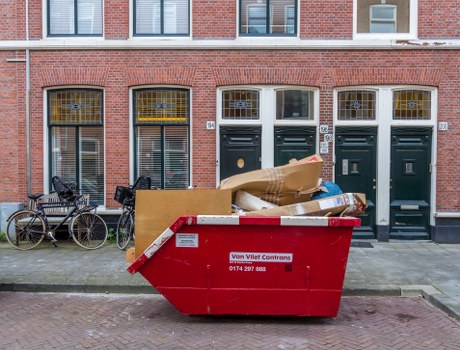
Commercial waste in Oxford needs a practical service that keeps business premises clear, compliant and easy to manage. We handle routine collections and one-off clearances for offices, shops, hospitality venues, workshops and managed properties, with a focus on separating recyclable materials from general refuse where possible. The aim is straightforward: remove unwanted material efficiently, then leave the space ready for normal use without unnecessary disruption.
Our service covers a broad range of non-hazardous business waste streams, from bagged rubbish and packaging to mixed office contents, worn fixtures and redundant stock. For many customers, the most useful approach is a planned clearance that matches opening hours, access arrangements and site requirements. If you are comparing options, pricing and quotes gives a sensible place to start before you request a quotation.
Commercial waste removal works best when the collection method matches the material. Lightweight office items, bulky furniture, shelving, cartons and break-room waste all call for slightly different handling, and the right approach can reduce handling time and improve sorting. We keep the process practical, with attention to the type of waste, the access route and any items that should be separated for recycling or specialist disposal. If you are ready to talk through a job, please request a quotation.
Business Waste Removal for Everyday Operations
Everyday business waste builds up in different ways, so a sensible collection plan has to reflect the type of operation involved. Some premises mainly produce mixed office waste and packaging, while others generate heavier material from storage rooms, fit-outs or back-of-house areas. Our business waste removal service is designed to deal with those regular accumulations in a way that is orderly, discreet and suited to the property.
For many customers, the most useful service is a recurring or ad hoc collection that clears waste before it starts to interfere with staff movement, storage or customer-facing areas. The work can include sacks, cardboard, small fixtures, desks, chairs and other surplus contents that no longer serve a day-to-day purpose. Good segregation at source can make the task cleaner and faster, especially where cardboard, metal or reusable items can be separated from mixed waste before removal.
What this type of collection usually handles
- general commercial rubbish and bagged waste
- office furniture and light fixtures
- packaging, cardboard and shrink wrap
- surplus stock and storage-room contents
- mixed items from clear-outs and reorganisations
Office Waste and Workspace Clearances

Office waste removal often involves more than simple rubbish collection. Workstations, filing units, chairs, monitors, broken accessories and obsolete storage items can all accumulate when teams move, reconfigure or refresh a workspace. Our office waste service is suited to those situations where the job needs to be handled with care, particularly when corridors, lifts, shared entrances and reception areas must stay usable during the process.
We can manage the removal of office contents that are no longer required, including bulky furniture and mixed waste from decluttering or end-of-lease clear-outs. Where a building has multiple occupiers, the collection plan should be calm and organised, with attention to access times and the need to avoid blocking shared routes. If you want to review service details first, the office clearance page offers a direct route to a more focused description of that work.
Good workspace clearance is not just about lifting items away. It is about sorting what can be reused, recycled or disposed of responsibly, then removing the remainder with as little interruption as possible. That can be especially useful where the office is being relet, refurbished or reconfigured. A tidy result makes it easier for cleaning, maintenance or fit-out teams to follow on without delay.
Bulky Items, Furniture and Fixtures
Commercial premises often need help with bulky items that are awkward to move or unsuitable for ordinary bins. Desks, tables, shelving, counters, cabinets and reception furniture may need to be dismantled, carried carefully through the property and loaded in a way that keeps the area safe for staff and visitors. This part of our work is often tied to wider waste removal, but it can also be arranged as a focused clearance when only selected items need taking away.
Furniture disposal is useful where the main concern is removing obsolete pieces cleanly and directing them into the right disposal route. In practice, that can mean separating reusable items from damaged ones, deciding whether anything needs dismantling and ensuring access is planned around door widths, stairs, lifts and shared circulation spaces. The same approach applies to stockroom shelving and back-office furniture, where the priority is safe handling rather than speed alone.
Where furniture forms part of a larger disposal, it helps to think about the sequence of work. Large items are usually best removed first, followed by loose material, packaging and smaller waste. That keeps the route clear and reduces the chance of items being missed. Businesses often find it helpful to group similar materials together before the collection so the job can proceed in a more ordered fashion.
Specialist Items and Separating Materials
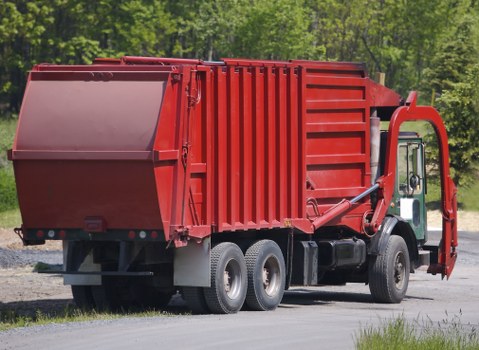
Some commercial waste requires more careful sorting because it does not belong in an ordinary mixed load. Appliances, confidential paper, mixed recyclables and certain bulky fittings may each need a different handling decision. Our service can accommodate that need for separation, provided the material is suitable for the collection method arranged. The result is a better-organised clearance and a clearer route for recycling or disposal.
Where businesses generate paper records or files that are ready for destruction, a specific shredding arrangement may be more appropriate than general waste removal. In those cases, confidential shredding is a useful related service to consider alongside wider commercial clearance. It is often best treated separately from general rubbish so that documents are managed in a controlled way, with less risk of mixing them into the wrong waste stream.
Materials that need specialist handling should be identified early in the planning stage. That might include electrical items, liquid-containing products, damaged appliances or waste with sharp edges. Not every item can be treated the same way, so a clear description of what is present helps us choose the right approach. This keeps the collection organised and avoids last-minute changes once work has begun.
Quoted Work, Site Access and Planning
A clear quotation depends on the nature of the waste, the amount involved, the accessibility of the premises and any handling requirements. Ground-floor collections are different from jobs that involve stairs, lifts, narrow corridors or controlled entry points. Timing can also matter, especially for sites that need work completed around opening hours, deliveries or staff changeovers. A sensible quotation process takes those factors into account from the start.
Two things make the process easier: a brief description of the waste and a clear idea of how the property is accessed. If helpful, prepare a simple list of the main items and note anything that may need special handling. When you are comparing service pages, business waste removal provides a broader overview, while the quotation stage lets you match the service to the actual load. Please request a quotation once you are ready to move forward.
It is also useful to think about how the clearance should be staged. Some sites are best handled in one visit; others benefit from splitting work across different areas or collection types. Good planning reduces confusion on the day and helps the team focus on the right materials first. That approach is particularly practical when the job includes both bulky items and smaller loose waste.
About Oxford
Oxford is a historic city in south east England, known internationally for its university and for a city centre shaped by centuries of academic, civic and commercial development. The River Thames runs to the south and east of the core, while the River Cherwell meets it within the wider city area, helping define a landscape of waterways, meadows and bridges. The built environment combines medieval streets, college quads, Victorian additions and more modern districts, creating a layered urban character that is immediately apparent in the centre and in the surrounding neighbourhoods. The city’s colleges form one of its most distinctive features, with many buildings arranged around enclosed courts, chapels and formal gardens. Prominent landmarks include the Radcliffe Camera, the Bodleian Library and Carfax Tower, all of which contribute to the familiar skyline and the city’s strong identity. Oxford also has well-used parks and open spaces such as University Parks, Christ Church Meadow and Port Meadow, each offering a different view of the city’s relationship with green space and river landscape. Beyond the central area, districts such as Headington, Cowley and Summertown show how the city has grown into a varied place with shopping streets, residential quarters and local services set alongside the older core. Museums, theatres, libraries and music venues add to an active cultural life, while the city’s markets and historic public buildings reflect a long civic tradition. The result is a place where heritage and everyday urban life sit closely together, and where walking, cycling and public transport remain important ways of moving between different parts of the city.
Waste Types We Can Help Remove

Commercial premises produce a mixture of waste streams, and a flexible service is often needed to handle them properly. Mixed rubbish, packaging, office fit-out leftovers, furniture and general non-hazardous waste are all common examples. Our work is centred on removing these materials in an orderly way so the premises can return to normal use as soon as possible. If your load includes a particular category of material, it is worth identifying that early so the right collection method can be arranged.
Some jobs also involve household-type items from staff areas, shared accommodation, or premises that have been used in more than one way over time. In those situations, a linked house clearance or related clearance page may help you understand how different item types are dealt with. The important point is not the label alone, but the actual contents of the job and the level of separation required between item categories.
When waste is varied, it is often easier to group it by material before removal begins. For example, cardboard can be kept apart from furniture, and reusable items can be identified before they are mixed with general rubbish. That makes the whole collection more efficient and helps avoid unnecessary handling. It also supports clearer decisions about what should be loaded first and what may need a different route.
Commercial Premises, Vacated Units and End-of-Use Clearances
When a business is leaving a unit or reorganising its layout, the waste often includes both fixed and loose items. Shelving, counters, storage pieces, display fixtures, broken equipment and general rubbish can all appear together. A commercial waste service needs to be flexible enough to handle that mix without turning the process into a series of separate, disconnected visits. The work is usually easier when the site has been walked through in advance and the main materials are identified.
Home clearance is not the same as commercial waste removal, but it can be relevant where a mixed-use property includes domestic contents alongside business items. In practice, the most important factor is the nature of the materials and the access conditions on site. If a property contains a combination of goods, clear labelling and grouping can save time and reduce confusion at the point of collection.
For a straightforward end-of-use clearance, the best outcomes usually come from a tidy, methodical approach. Items that are easy to move can be set aside together, heavier items can be planned for first, and loose waste can be gathered once larger objects are out of the way. That sequence helps avoid backtracking and keeps the premises easier to navigate during the work.
Recycling, Responsible Disposal and Practical Choices
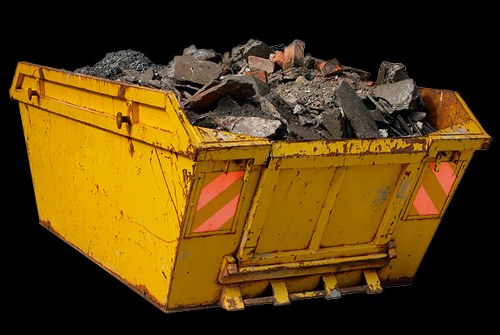
Responsible disposal is part of good commercial waste management, but it should be understood in practical terms. The main choices are usually whether an item can be reused, whether it should be separated for recycling, or whether it needs to go in a general waste load. Materials such as cardboard, metal and some rigid plastics are often easier to manage when they are kept separate from mixed rubbish, while damaged or contaminated items may need a different route. The exact handling depends on what the load contains and how it has been stored.
If you are making decisions about a larger clear-out, a related service such as recycling and sustainability may help frame what happens to different waste types after collection. That does not replace the clearance itself, but it can be a useful reference point when you want to understand how materials are separated and why some items are treated differently from others.
For businesses, the most useful approach is usually the simplest one: keep obvious recyclables apart where possible, flag anything unusual, and choose a collection plan that matches the actual load rather than a rough estimate. If you need support with commercial waste in Oxford, request a quotation when you are ready and we can help you plan the next step.